25+ Engaging Spring Garden Activities for Kids & Toddlers in 2024
Ready to get those little hands dirty? This comprehensive guide for busy moms offers over 25 engaging spring garden activities for kids and toddlers, from simple seed planting to creative nature art, all designed to foster a love for nature and create lasting family memories this spring.
 Claire Bennett
Claire Bennett — Family Routines & Meal Planning Editor

The sun is finally out, the birds are singing, and your little ones are bouncing off the walls with pent-up winter energy. If you're anything like me, you're constantly looking for ways to get them outdoors, away from screens, and engaging with the natural world. That’s where engaging spring garden activities for kids and toddlers in 2024 come in, transforming your backyard into an adventure zone. It’s not just about planting; it’s about discovery, sensory play, and creating cherished family memories right in your backyard.
In this article
- Why Spring Gardening is Fantastic for Kids (Updated Research!)
- Essential Child-Friendly Gardening Tools & Supplies (2024 Picks)
- Safety First! Important Tips for Gardening with Kids
- Easy-to-Grow Plants for Young Gardeners (Kid-Friendly Favorites)
- Spring Garden Activities for Toddlers (Ages 1-3)
- Preschool & Kindergarten Garden Adventures (Ages 3-5)
- Exciting Garden Projects for School-Aged Kids (Ages 6+)
- Creative Nature Art & Sensory Play in the Garden
- Tips for Keeping Kids Engaged & Making Gardening Fun
This spring, transform your garden (or even a small patio space) into an outdoor classroom and playground. I'm going to share over 25 engaging spring garden activities for kids and toddlers that are not only fun but also foster a love for nature, patience, and responsibility. From simple seed-starting projects to creative nature art and even a bug hunt, these ideas are designed to be practical for busy parents and thrilling for curious young minds, ensuring your home stays calm and collected, much like when following a solid morning routine for busy moms.
Why Spring Gardening is Fantastic for Kids (Updated Research!)
Spring gardening is fantastic for kids because it offers a unique blend of sensory experiences, physical activity, and opportunities for learning that screen time just can't replicate. Getting your hands dirty in the garden is more than just a pastime; it's a powerful developmental tool for children of all ages. When my youngest was a toddler, I noticed how simply letting her dig in a patch of dirt with a spoon captivated her for ages, teaching her about textures and the joy of discovery.
Gardening helps develop fine motor skills as they pinch seeds, scoop soil, and water delicate sprouts. It teaches patience and responsibility, as they learn that plants need consistent care to thrive. Children also gain a deeper understanding of where their food comes from, fostering healthier eating habits and a connection to the environment. Recent research from the University of California, Davis highlights that youth gardening programs are linked to increased consumption of fruits and vegetables. Beyond physical development, engaging with nature through gardening has significant cognitive benefits. The American Psychological Association (APA) continues to emphasize how exposure to green spaces can reduce stress and improve attention in children. Furthermore, the National Institutes of Health (NIH) emphasizes that active outdoor play is crucial for healthy brain development and overall well-being. Plus, it’s a fantastic way to engage in outdoor play ideas for toddlers and older kids, getting them fresh air and exercise.
Essential Child-Friendly Gardening Tools & Supplies (2024 Picks)
Kids need essential gardening tools that are child-friendly, durable, and easy for their little hands to manage, making the experience enjoyable and safe. You don't need a huge budget or a fully stocked shed to get started with spring garden activities for kids. However, having a few proper child-friendly tools can make the experience much more enjoyable and prevent frustration. I learned this the hard way after my son tried to use my full-sized shovel and nearly toppled over, narrowly missing a freshly planted rose bush!
Look for durable, lightweight tools that are easy for little hands to grip. A good starter set might include a small shovel or trowel, a hand rake, and a watering can. These make them feel like proper gardeners, giving them ownership of their tasks. Don't forget child-sized gardening gloves to protect their hands from thorns, dirt, and potential irritants. My kids adore their bright pink and blue gloves, which I picked up for about $10 each, and it makes them feel like serious botanists ready for any spring break activities for toddlers we throw their way.
Here are some of my top recommendations for Spring 2024:
- Melissa & Doug Sunny Patch Giddy Buggy Child's Gardening Tool Set: This sturdy, colorful set typically includes a trowel, rake, and shovel, perfectly sized for little hands. It’s a perennial favorite for its durability and fun design.
- G & F Products Kids Gardening Gloves: Essential for protecting small hands from dirt and potential irritants, these come in various fun colors and sizes.
- Liberty Garden Products 2-Gallon Steel Watering Can: While not child-specific, a smaller, lightweight metal watering can that's easy for them to carry and pour makes watering fun rather than a chore. Look for one they can manage without spilling too much. For younger toddlers, a smaller plastic one might be better.
- Seed-Starting Trays with Dome: Perfect for getting a jump start indoors. These kits provide miniature greenhouses for seeds, fascinating for kids to observe.
Safety First! Important Tips for Gardening with Kids
We can keep kids safe and happy in the garden by always providing close supervision, teaching them about plant safety, and ensuring they have appropriate protective gear. While gardening is generally safe, a few simple precautions can ensure everyone has a positive experience. I once had a scare when my daughter, then 3, tried to eat a leaf she shouldn't have from a foxglove plant, so I've learned to be extra vigilant.
Always supervise young children, especially toddlers, to prevent them from ingesting unknown plants or touching thorny bushes. Teach them early on that not all plants are edible and to only taste things with a grown-up's permission. Identify and teach kids about any poisonous plants in or around your garden beforehand. Keep all chemicals, like fertilizers or pesticides, stored securely out of reach, preferably in a locked cabinet.
Encourage them to wear child-sized gardening gloves and closed-toe shoes to protect against thorns, sharp edges, and insects. Sunscreen and hats are also crucial for outdoor time to protect delicate skin. And of course, remind them to wash their hands thoroughly with soap and water after every gardening session to prevent the spread of germs from soil, which can contain bacteria like E. coli or tetanus spores. The CDC offers excellent guidelines on healthy gardening, emphasizing hand hygiene and protecting yourself from various hazards.
Easy-to-Grow Plants for Young Gardeners (Kid-Friendly Favorites)
To keep kids engaged and prevent frustration, choosing plants that are easy to handle, grow quickly, and yield visible results is key. These kid-friendly favorites are perfect for spring garden activities for kids, offering quick gratification and teaching basic plant life cycles. They're also great for container gardening if you have limited space.
Here’s a simple guide to plant difficulty and growing times, perfect for these outdoor spring activities:
- Sunflowers: (Easy) With large seeds that are simple for small hands to plant, sunflowers grow tall and magnificent, captivating children with their impressive height and cheerful blooms in about 70-100 days.
- Bush Beans: (Easy) These reliable growers have relatively large seeds and sprout quickly. Kids love finding the beans hiding among the leaves, ready for harvest in 50-60 days.
- Peas: (Easy) Similar to beans, peas are fun to plant and even more fun to shell and eat straight from the pod. They typically mature in 60-70 days and are excellent for teaching about climbing plants.
- Radishes: (Easy) The ultimate speedy grower! Radishes can go from seed to harvest in as little as 25-30 days, providing almost instant gratification and a tangible reward.
- Cherry Tomatoes: (Medium) While the seeds are small, cherry tomato plants are incredibly prolific and forgiving. Kids adore picking their own bite-sized tomatoes from the vine, usually ready in 60-80 days from transplant.
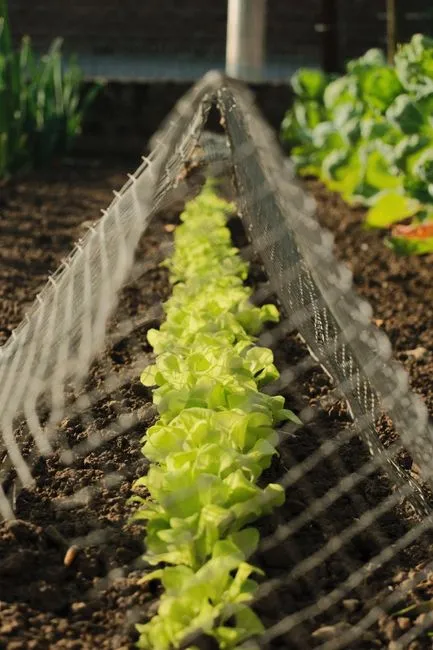
- Lettuce & Spinach: (Easy) These leafy greens sprout quickly and can be harvested repeatedly. Kids can snip off leaves as needed for salads, making them feel like true providers in 30-45 days.
- Marigolds & Zinnias: (Easy) For flowers, marigolds and zinnias are vibrant, cheerful, and incredibly resilient. Their seeds are easy to plant, and they provide a constant display of color in about 45-75 days, attracting beneficial insects.
- Herbs (Mint, Basil, Chives): (Easy) Most herbs are very forgiving and fragrant. Kids can enjoy rubbing the leaves for sensory stimulation and snipping them for cooking. Mint, in particular, is almost impossible to kill and grows enthusiastically.
Spring Garden Activities for Toddlers (Ages 1-3)
Toddlers thrive on sensory exploration and simple, repetitive tasks. These spring garden activities for kids are designed to engage their senses and foster a basic connection with nature without overwhelming them. Remember, for this age group, it's all about the process, not the perfect product.
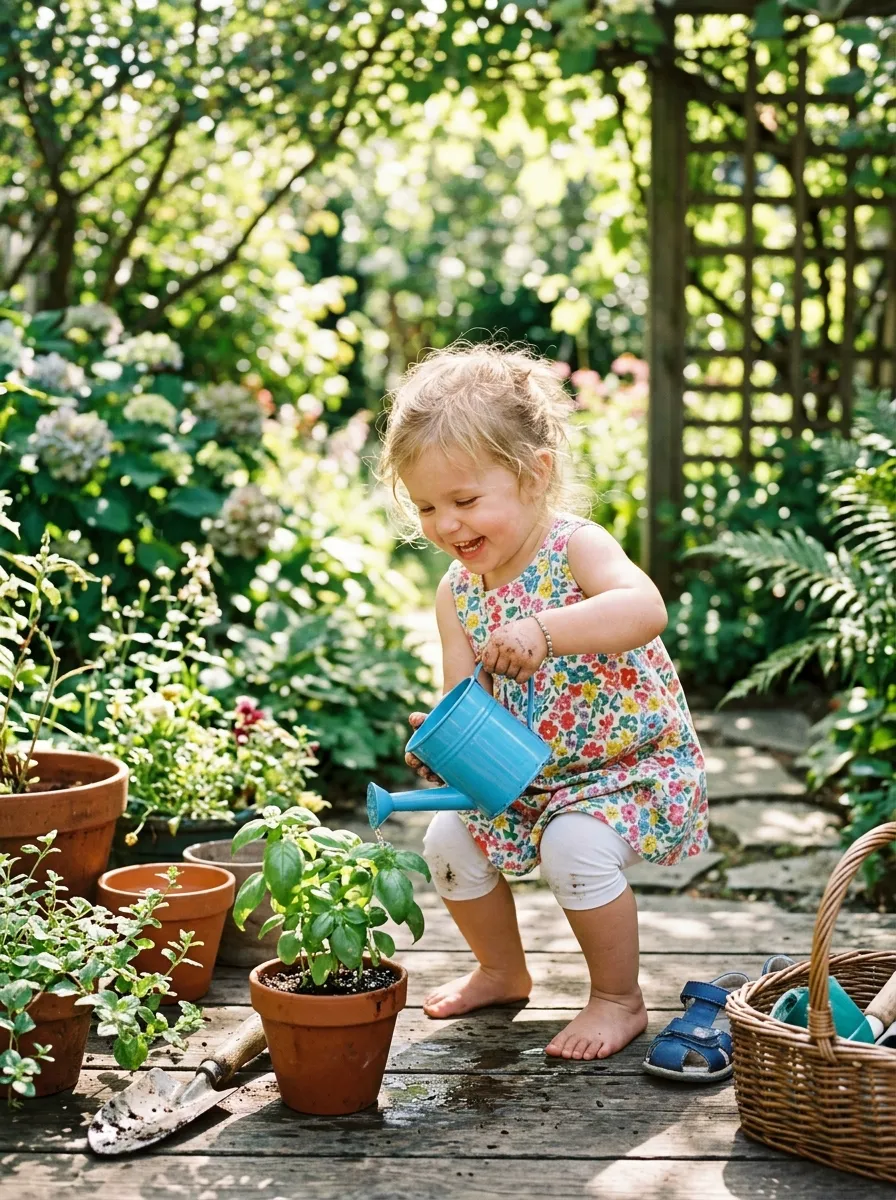
- Watering Can Helper: Give your toddler a small, lightweight watering can (even a toy one) and let them "help" water plants. They adore splashing and pouring, and it teaches them the importance of hydration for plants.
- Digging Zone Fun: Designate a small patch of dirt or a large container as a "digging zone." Provide child-safe shovels, spoons, and buckets. Let them dig, scoop, and explore the textures of soil, mud, and small pebbles.
- Leaf and Petal Collection: Go on a "treasure hunt" for fallen leaves, petals, and interesting twigs. Talk about the colors and textures. This is a wonderful sensory play activity for young children.
- Sensory Bin Garden: Create a portable garden sensory bin using soil, small plastic plants, gardening tools, and plastic bugs. This allows for contained exploration without getting too messy.
- Planting Large Seeds: With help, let toddlers push large seeds like beans or peas into prepared soil. The larger size makes it easier for their developing fine motor skills.
- Mud Kitchen Adventures: If you have an unused corner, set up a "mud kitchen" with old pots, pans, spoons, and a water source. Let kids mix dirt, water, leaves, and petals to create "mud pies" and "nature stews." It’s messy, but incredibly engaging and fosters imaginative play.
Preschool & Kindergarten Garden Adventures (Ages 3-5)
Preschoolers and kindergarteners are ready for slightly more structured activities that introduce basic concepts like plant life cycles and care. These spring garden activities for kids build on sensory play and add elements of learning and responsibility.
- Seed-Starting Science Station: (Time: 15 min prep, ongoing observation) Set up a small station indoors with clear cups, soil, and large seeds like beans, peas, or sunflowers. Let kids plant a few seeds in each cup, then place them by a sunny window. They can observe the roots growing and the first leaves emerging daily. This is a fantastic easy science experiment for kids that provides instant gratification.
- "Rainbow Garden" or "Herb Patch": Designate a small patch or raised bed for a themed garden. For a rainbow garden, choose seeds that will grow into different colored flowers or vegetables like purple carrots, yellow peppers, and red radishes. For an herb patch, plant fragrant herbs like mint, basil, and chives.
- DIY Garden Markers: (Time: 30-60 min) Collect flat rocks, popsicle sticks, or even old spoons. Let kids paint them with waterproof paint or use permanent markers to label what they've planted. This adds a personal touch to the garden and helps with letter recognition.
- Bug Hunt & Identification: (Time: 30-60 min) Grab a magnifying glass and a small container. Explore the garden for insects like ladybugs, worms, butterflies, and beetles. Gently catch them for a closer look, then release them. Use a simple bug identification guide to learn their names and roles in the garden ecosystem.
- Fairy Garden or Dino Land: (Time: 60-120 min) Dedicate a small corner of the garden or a large pot to creating a miniature world. Use small plants, pebbles, twigs, and miniature figurines (fairies, dinosaurs, gnomes) to spark imaginative play.
- Regrow Scraps Experiment: (Time: 5 min prep, ongoing observation) Place vegetable scraps like the base of romaine lettuce, green onions, or celery in shallow water. Watch them regrow! Once they sprout roots, you can transfer them to soil. This teaches about regeneration and reduces food waste, tying into concepts from a budget-friendly weekly grocery list for a family of four.
Exciting Garden Projects for School-Aged Kids (Ages 6+)
School-aged children are capable of more complex tasks and can take on greater responsibility in the garden. These spring garden activities for kids encourage scientific inquiry, creativity, and a deeper understanding of ecological principles, offering excellent creative screen-free activities for kids.
- Worm Composting Bin: (Time: 60-90 min setup, ongoing care) Start a small vermicomposting bin. Kids can feed kitchen scraps to the worms and learn about decomposition and how worms enrich the soil. It's a fascinating look at the unsung heroes of the garden and promotes sustainable practices.
- Rain Gauge Creation: (Time: 30 min) Help kids make a simple rain gauge using a clear plastic bottle. They can measure and record rainfall, connecting weather patterns to plant growth and basic meteorology.
- Bird Feeder Craft & Observation: (Time: 30-45 min) Create a homemade bird feeder from a pinecone, peanut butter, and birdseed, or an empty milk carton. Hang it in the garden and observe the different bird species that visit. This teaches about local wildlife and ecosystems.
- Plant Life Cycle Journal: (Time: 15 min weekly) Give each child a notebook to draw or describe the changes they see in their plants each week, from seed to sprout to flower or fruit. This reinforces the concept of the plant life cycle and encourages scientific observation.
- Harvesting Party & Garden-to-Table Meals: (Time: 30-60 min harvesting, 30-60 min cooking) When vegetables are ready, make a big deal about harvesting them. Let kids carefully pick ripe tomatoes, pull carrots, or snip herbs. Then, involve them in preparing a simple meal or snack with their fresh produce. This directly connects their efforts to healthy eating habits.
- Seed Saving & Future Planning: (Time: 30-60 min) Teach older kids how to collect and save seeds from mature plants for next year's garden. This closes the loop on the plant life cycle and encourages sustainability, much like planning easy freezer meals for busy moms helps with food preservation.
- Pollinator Patch Design: (Time: 60-90 min planting, ongoing observation) Dedicate a small area to planting flowers that attract bees and butterflies, like coneflowers, zinnias, or cosmos. Learn about the importance of pollinators for our food system. This can be a great way to engage kids in preparing the yard for spring, similar to how we tackle spring cleaning with kids indoors.
- DIY Bug Hotel or Bee House: (Time: 60-90 min) Using natural materials like bamboo canes, hollow stems, and wood scraps, help kids construct a small "bug hotel" or "bee house." This provides shelter for beneficial insects and teaches about biodiversity.
Creative Nature Art & Sensory Play in the Garden
Gardening isn't just about planting; it's a multi-sensory experience that is particularly beneficial for children, helping them develop sensory play activities skills and an appreciation for natural textures and colors. These spring garden activities for kids merge creativity with outdoor exploration.
- Nature Art Collages: (Time: 30-45 min) Gather fallen leaves, petals, small twigs, and interesting stones from the garden. Use them to create collages on paper with glue or on a sticky contact paper sheet. This encourages observation of natural textures and colors, much like engaging in easy St. Patrick's Day crafts for kids encourages creativity.
- Leaf Rubbings & Prints: (Time: 20-30 min) Place leaves under paper and rub with crayons to reveal their intricate patterns. Or, paint one side of a leaf and press it onto paper to create beautiful prints. This is a simple yet effective DIY craft project using natural elements.
- Scented Herb Exploration: Plant a variety of fragrant herbs like lavender, rosemary, mint, and lemon balm. Encourage kids to gently rub the leaves and describe the different smells. This is a wonderful way to engage their sense of smell and vocabulary.
- Flower Pressing: (Time: 20-30 min, 1-2 weeks drying) Pick some of your garden flowers and press them between heavy books or in a flower press. Once dry, use them to create cards, bookmarks, or decorate journals.
- Nature Mandalas: Gather natural objects like pebbles, leaves, flowers, and seeds. Arrange them in circular, symmetrical patterns on the ground. This encourages creativity, pattern recognition, and appreciation for natural beauty.
- Garden Journaling & Sketching: Provide a simple notebook and colored pencils. Encourage kids to draw what they see in the garden—a new sprout, a visiting bee, or a colorful flower. They can also write down observations or feelings about their garden.
Tips for Keeping Kids Engaged & Making Gardening Fun
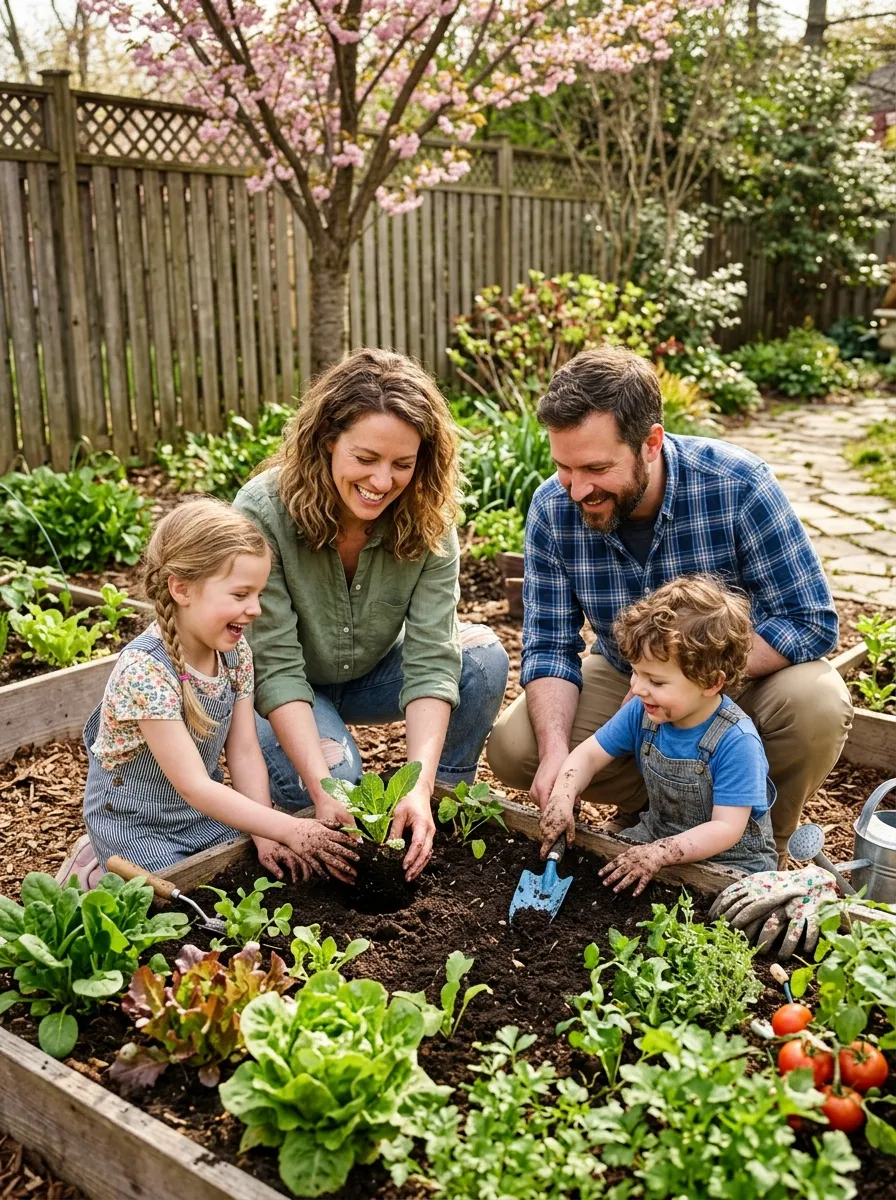
Integrating these spring garden activities for kids into your family routine can create lasting memories and instill valuable life skills. Don't aim for perfection; focus on the process and the joy of discovery. Some days, they'll be enthusiastic gardeners, and other days, they might just want to play in the mud. And that's okay!
- Start Small & Simple: Don't try to plant an entire farm if you're new to gardening with kids. A few pots or a small raised bed are plenty to start. Overwhelm can quickly lead to disinterest for both you and them.
- Give Them Ownership: Let them choose what to plant (within reason!), where to plant it, and even decorate their own pots. When they feel like it's their project, they're more invested.
- Be Patient with the Process: Gardening teaches patience. Explain that seeds take time to grow and that sometimes plants don't make it. It's a natural part of the learning curve.
- Celebrate Small Wins: Point out the first sprout, the first flower, or the first ripe tomato. These small victories keep enthusiasm high.
- Embrace the Mess: Dirt is part of the fun! Dress them in old clothes and let them get messy. The memories are worth a little extra laundry, and you can always include it in your daily cleaning routine for working moms later.
- Connect it to Other Interests: If they love dinosaurs, create a "dinosaur garden." If they love art, focus on nature art.
- Read Garden Books: Supplement hands-on activities with engaging books about gardening, plants, and bugs.
- My "Failure Story": My personal "failure story" in the garden was when I tried to grow a massive vegetable patch with too many different crops for my schedule. It became overwhelming, and I ended up losing nearly $100 worth of plants because I couldn't keep up with the watering and weeding. Now, I focus on a few easy-to-grow plants that my kids love, like cherry tomatoes and snap peas, and we expand slowly. This approach makes gardening a source of joy, not stress.
Remember, the goal is to foster curiosity and a love for nature, creating a positive association with the outdoors that will hopefully last a lifetime. So grab those tiny trowels and get ready to grow some fun this spring!
Frequently Asked Questions
What are the best plants for kids to grow in spring?
The best plants for kids to grow in spring are those with large seeds, quick growth cycles, and visible results. Excellent choices include sunflowers, bush beans, peas, radishes, cherry tomatoes, lettuce, marigolds, and zinnias. These provide fast gratification and are easy for small hands to manage.
How do I start a garden with a toddler?
To start a garden with a toddler, focus on simple, sensory-rich activities like digging in a designated dirt patch, watering plants with a small watering can, or planting large seeds with assistance. Keep sessions short, supervise closely, and prioritize exploration and fun over perfect gardening techniques.
What tools do kids need for gardening?
Kids benefit from child-sized, durable gardening tools such as a small trowel or shovel, a hand rake, a lightweight watering can, and gardening gloves. These tools allow them to participate safely and effectively, making them feel like proper gardeners.
What are some sensory garden activities for preschoolers?
Sensory garden activities for preschoolers can include creating a 'rainbow garden' with colorful plants, making nature collages with leaves and petals, exploring fragrant herbs, or engaging in a mud kitchen. These activities stimulate sight, touch, and smell while encouraging imaginative play.
How can I make gardening fun for reluctant kids?
To make gardening fun for reluctant kids, give them choices in what to plant, allow for messy play, connect gardening to their existing interests (like dinosaurs or art), and celebrate every small success. Starting with fast-growing plants can also boost their enthusiasm quickly.
What are the benefits of gardening for child development?
Gardening offers numerous benefits for child development, including enhanced fine motor skills, improved patience and responsibility, a deeper understanding of food sources and nature, stress reduction, and increased physical activity. It also fosters a sense of accomplishment and can contribute to healthier eating habits.
You might also like

17 Practical Parenting Tips: Transform Your Chaotic Days into Calm
11 min read

25+ Time-Saving Parenting Hacks: Reclaim Your Day, Busy Moms
10 min read

20+ Easy 4th of July Crafts for Kids: Fun & Festive DIY Ideas
9 min read

25+ Easy Parenting Hacks for Busy Moms: Reclaim Your Day & Reduce Stress!
12 min read